


Where Aesthetics Meet Intuitive Design: A 3,770-Square-Foot Smart Home in the Galilee
 Vitrea
How do you integrate a smart home system into a spacious residence without cluttering the walls or compromising ease of use? In a 3,770-square-foot private home in Shorashim, Israel, architect and interior designer Asi Ben Shushan created a living environment that combines rich materials, precise architectural lines, and a Vitrea smart home system incorporated from the earliest planning stages. We spoke with Asi about the design choices, the balance between minimalism and functionality, and how thoughtful smart home planning can shape the everyday living experience.
Tell us about the project, its design concept, and the materials you selected
“The home in Shorashim spans approximately 3,770 square feet. The design emphasizes proportions and movement between spaces, combined with a rich material palette: travertine, American walnut-toned wood, steel, and porcelain. The stone and wood bring depth and warmth, the steel introduces precise lines, and porcelain is incorporated into surfaces and wall finishes. Together, these materials create a cohesive design language throughout the home. For us, quality design is reflected in the way materials meet and in the execution of details, as well as in how the home serves the family every day. With this approach in mind, the smart home system was integrated as part of the overall living experience.”
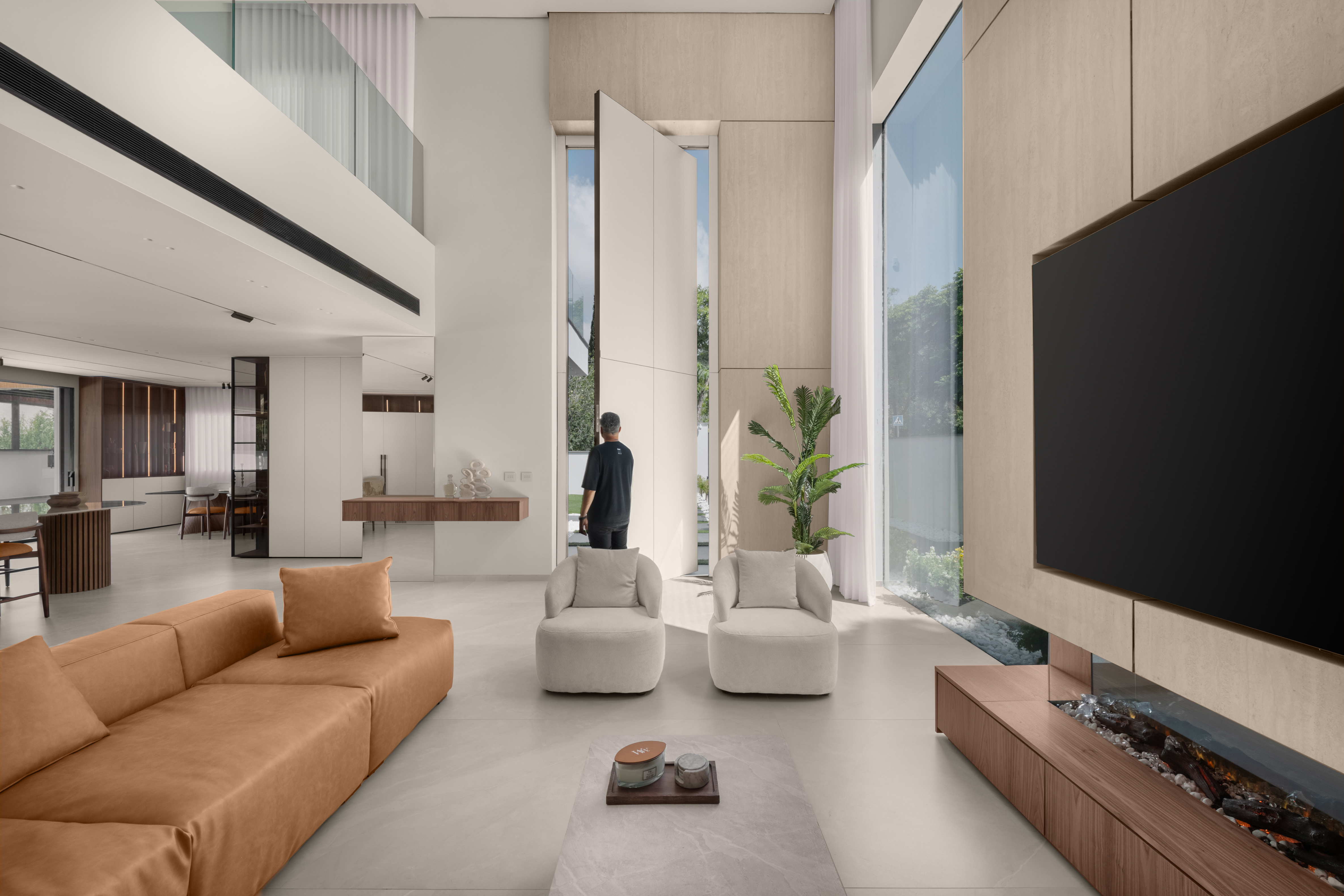
Interior Design: Asi Ben Shushan | Photography: Oded Smadar | Smart Home System: Vitrea
At what stage did you decide to incorporate a smart home system, and how did it influence the electrical planning?
“We selected Vitrea very early in the project, which allowed us to integrate the system into the electrical plans from the beginning and coordinate the control points with the spaces, openings, and the family’s daily routines. One of the key advantages of a smart home is the ability to consolidate more functions into a single control point than with a conventional electrical system. This reduces the number of switches on the walls and creates a cleaner aesthetic, particularly in a large home with numerous lighting circuits and motorized shades. Alongside the design benefits, it’s essential to consider usability and ergonomics. Assigning too many functions to a single control point can make the system more complicated to operate. That’s why we carefully considered how functions should be distributed and where controls should be positioned, ensuring an intuitive, straightforward experience for everyone in the home.”
What were the main considerations behind choosing Vitrea’s smart home system?
“Our decision was based on four key factors: the design of the control interfaces and how they complement the architectural language; ease of use for the residents; the ability to customize scenes around the family’s routines; and the professional support throughout the planning and installation process. As architects, we consider switches an integral part of the design. Their placement, appearance, and the way people interact with them all influence the experience of a space. Being able to consolidate functions and reduce the number of switches helps maintain visually clean walls while ensuring that the controls remain accessible and easy to use.”
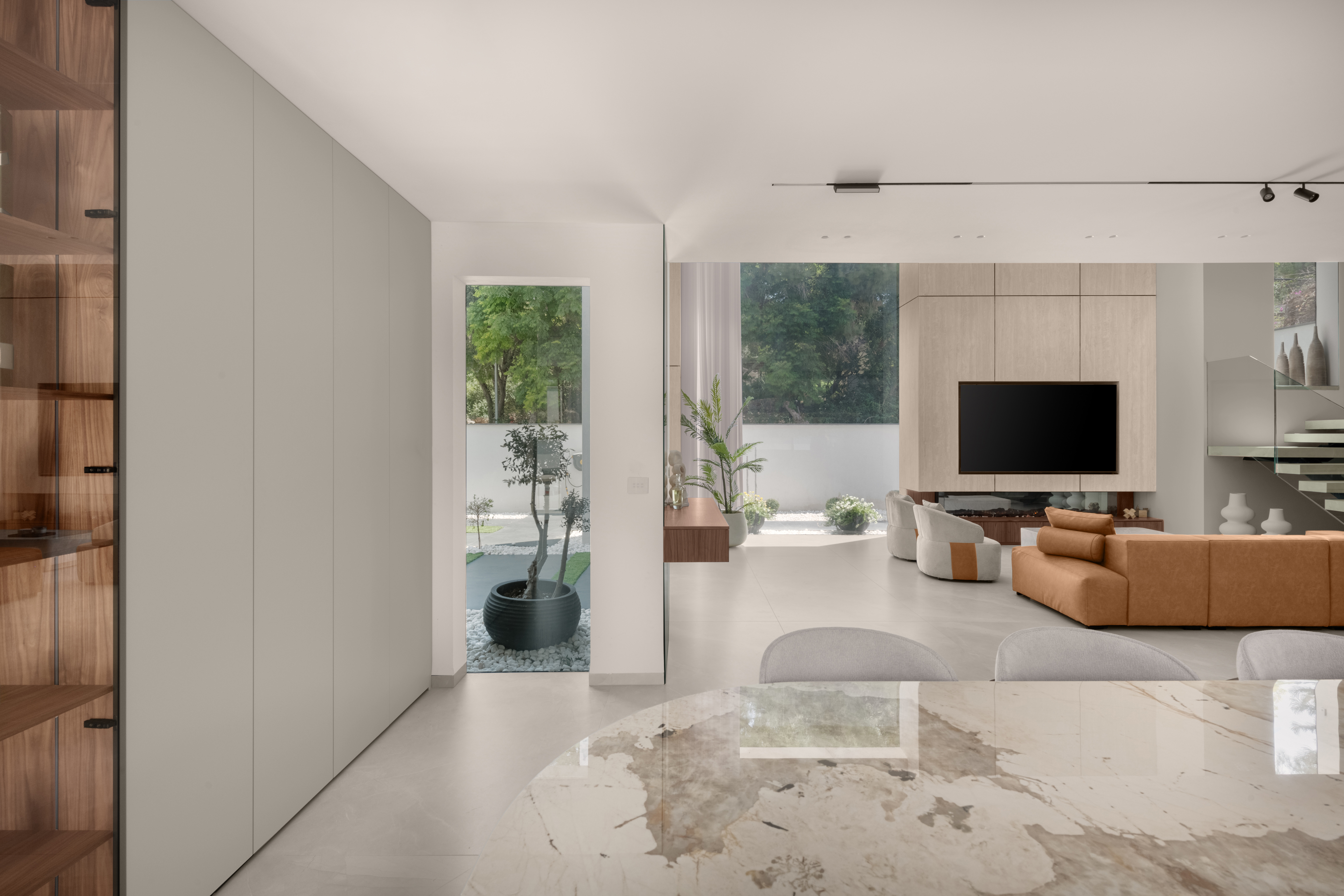
Interior Design: Asi Ben Shushan | Photography: Oded Smadar | Smart Home System: Vitrea
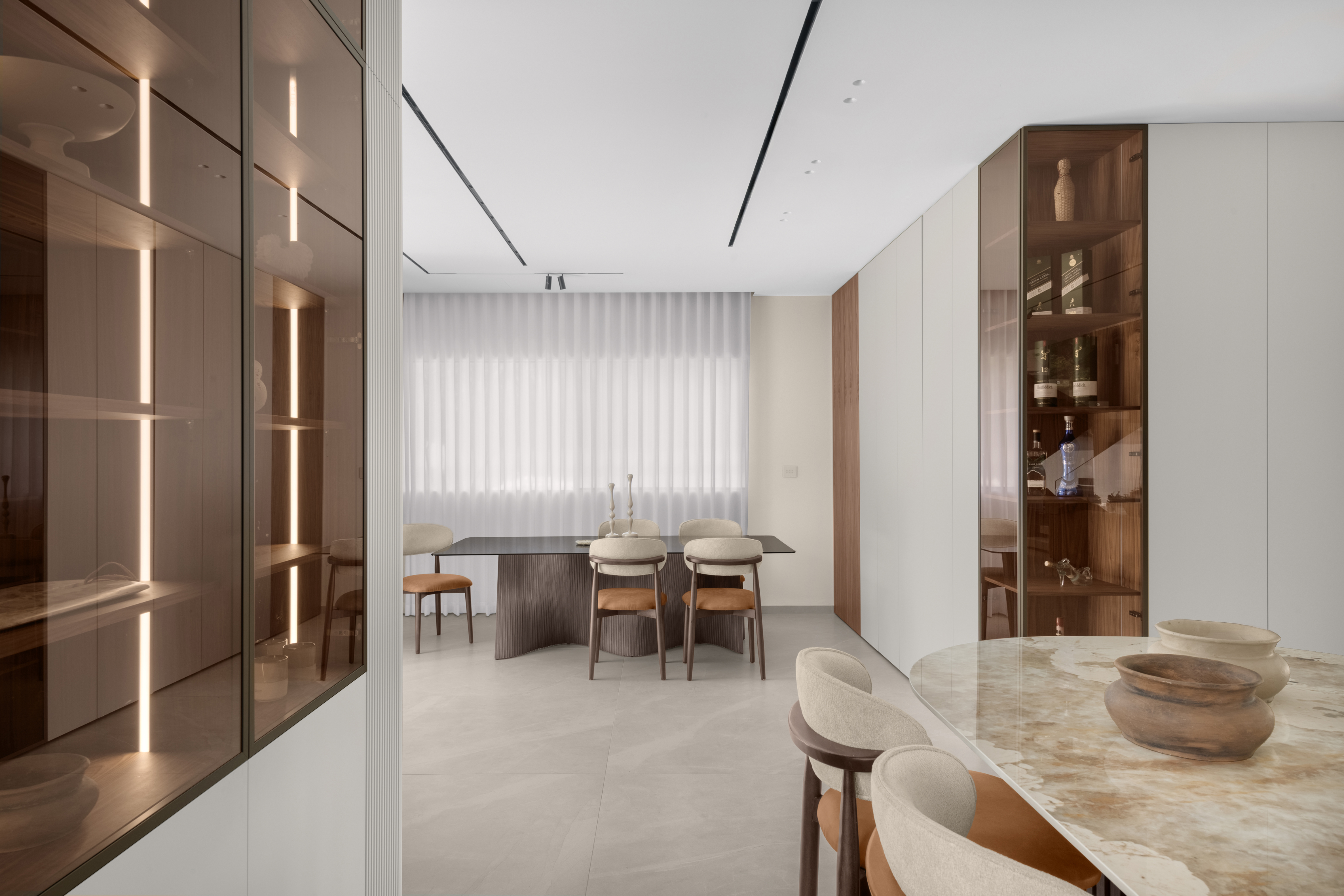
Interior Design: Asi Ben Shushan | Photography: Oded Smadar | Smart Home System: Vitrea
Beyond aesthetics, what value does a smart home bring to everyday life?
“In a large home, simple tasks like turning off the lights and closing the shades can require walking through multiple rooms. A smart home allows these actions to be combined, eliminating the need to go through the entire house every time you leave. The real value lies in the accumulated convenience: fewer repetitive tasks, accessible controls, and the ability to adapt the home’s operation to the family’s daily routine. To me, successful design is also measured in these moments, when the home makes life easier for the people living in it.”
What advice would you give architects and interior designers planning to incorporate a smart home system into a project?
“First, start early. Integrating smart home technology during the initial planning stages allows for precise coordination between the infrastructure, control points, and overall design. It’s important to understand the family’s routines before defining scenes. Consider what happens in the morning, when everyone returns home, and before bedtime, and identify the functions that will genuinely simplify everyday life.
Another important consideration is ergonomics. Just because multiple functions can be assigned to one switch doesn’t mean they all should be. The goal is to find the right balance between minimizing control points and maintaining simple, intuitive operation. Coordination between the architect, the smart home specialists, and the electrician is also essential, ensuring that all decisions are properly reflected in the electrical plans and construction details.
Finally, once the family has moved in, it’s worth reviewing the scenes together and fine-tuning them based on actual use. Some habits and preferences only become apparent after living in the home.”
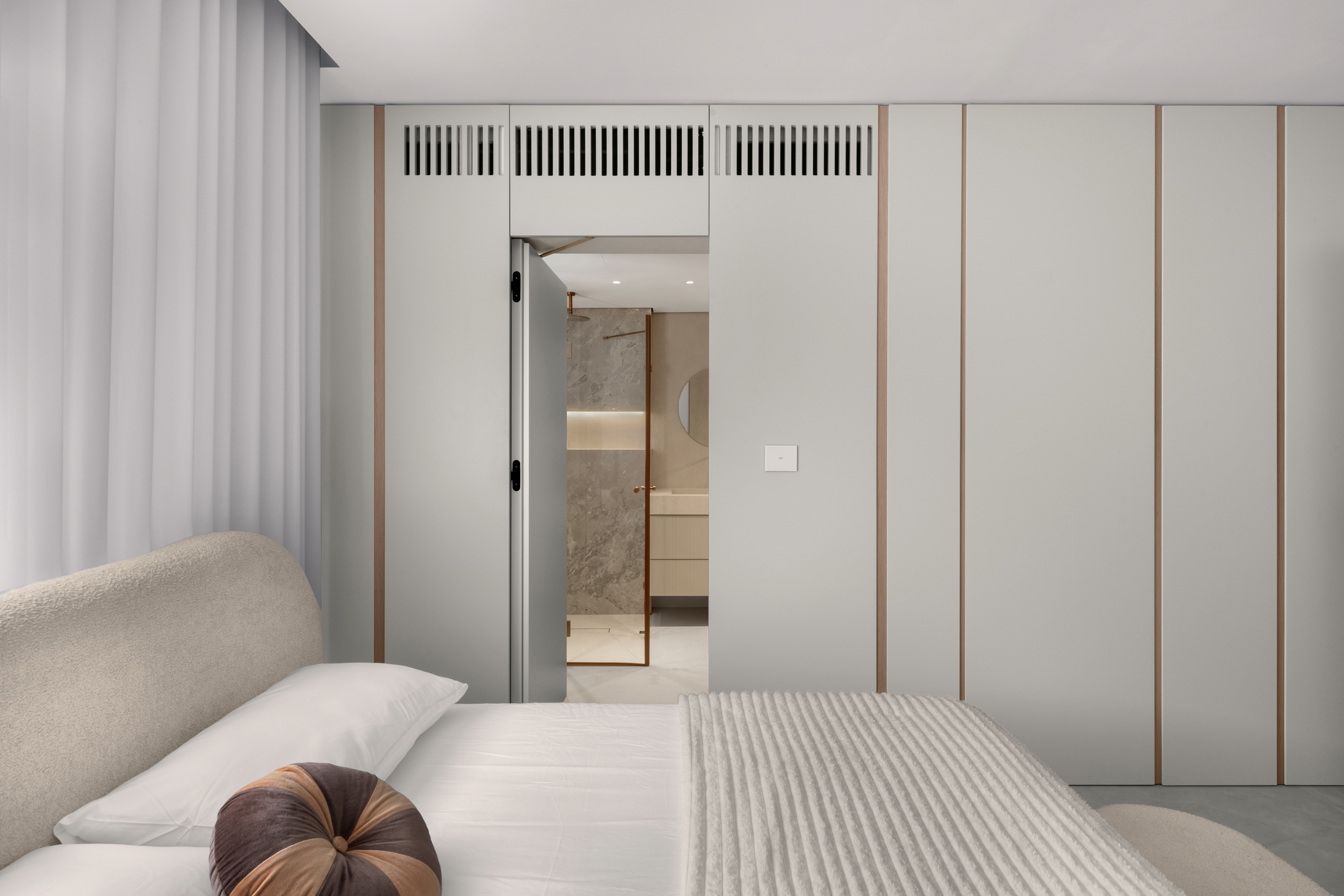
Interior Design: Asi Ben Shushan | Photography: Oded Smadar | Smart Home System: Vitrea
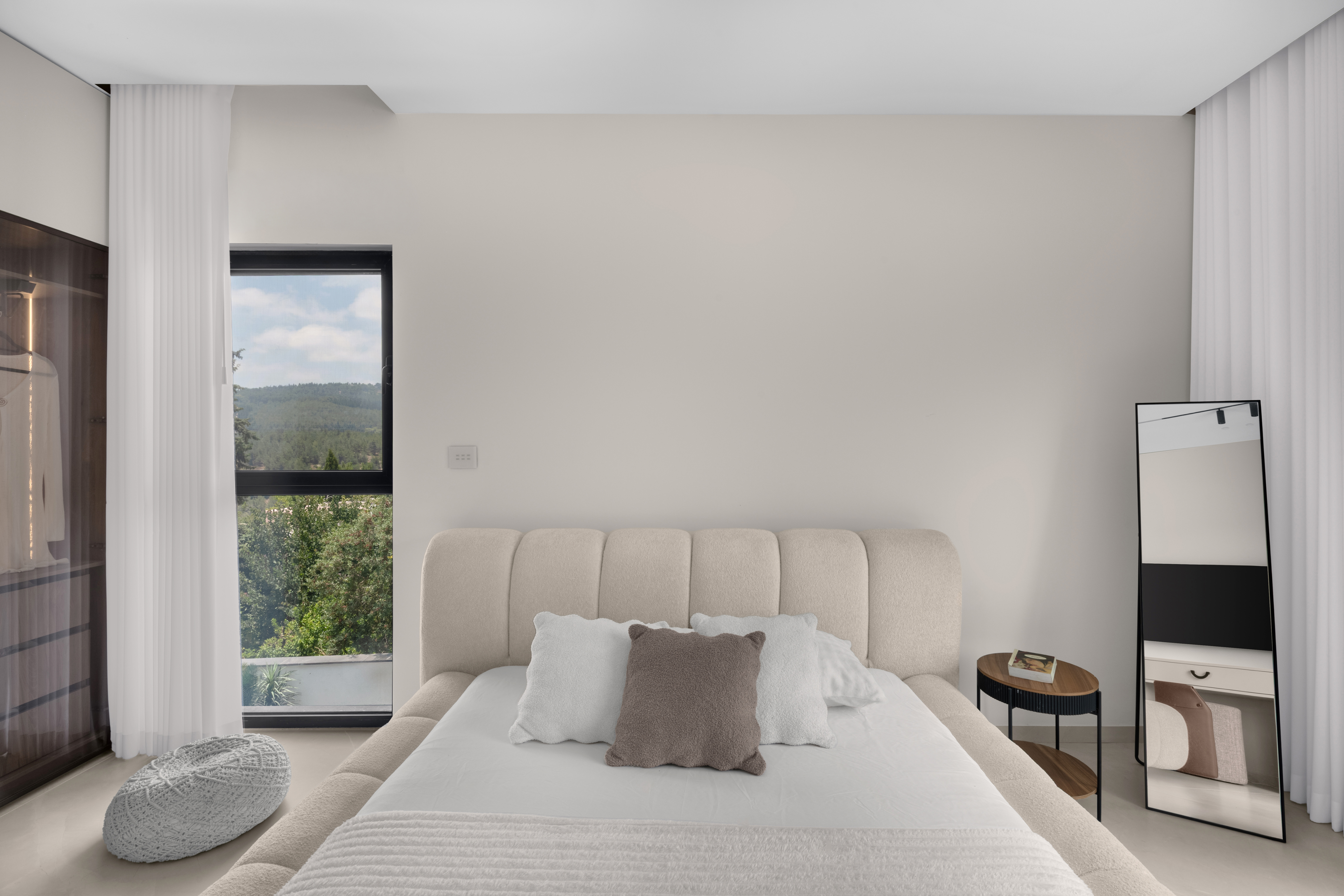
Interior Design: Asi Ben Shushan | Photography: Oded Smadar | Smart Home System: Vitrea
Finally, which smart home scene has proven most useful for the family?
“The Away scene, which combines turning off all the lights and closing all the shades. In a 3,770-square-foot home with numerous openings, this makes a real difference in everyday life. Instead of walking through the entire house before leaving, all these actions can be performed together. It’s a great example of the connection between thoughtful design and technology—a simple, practical solution to an everyday need.”
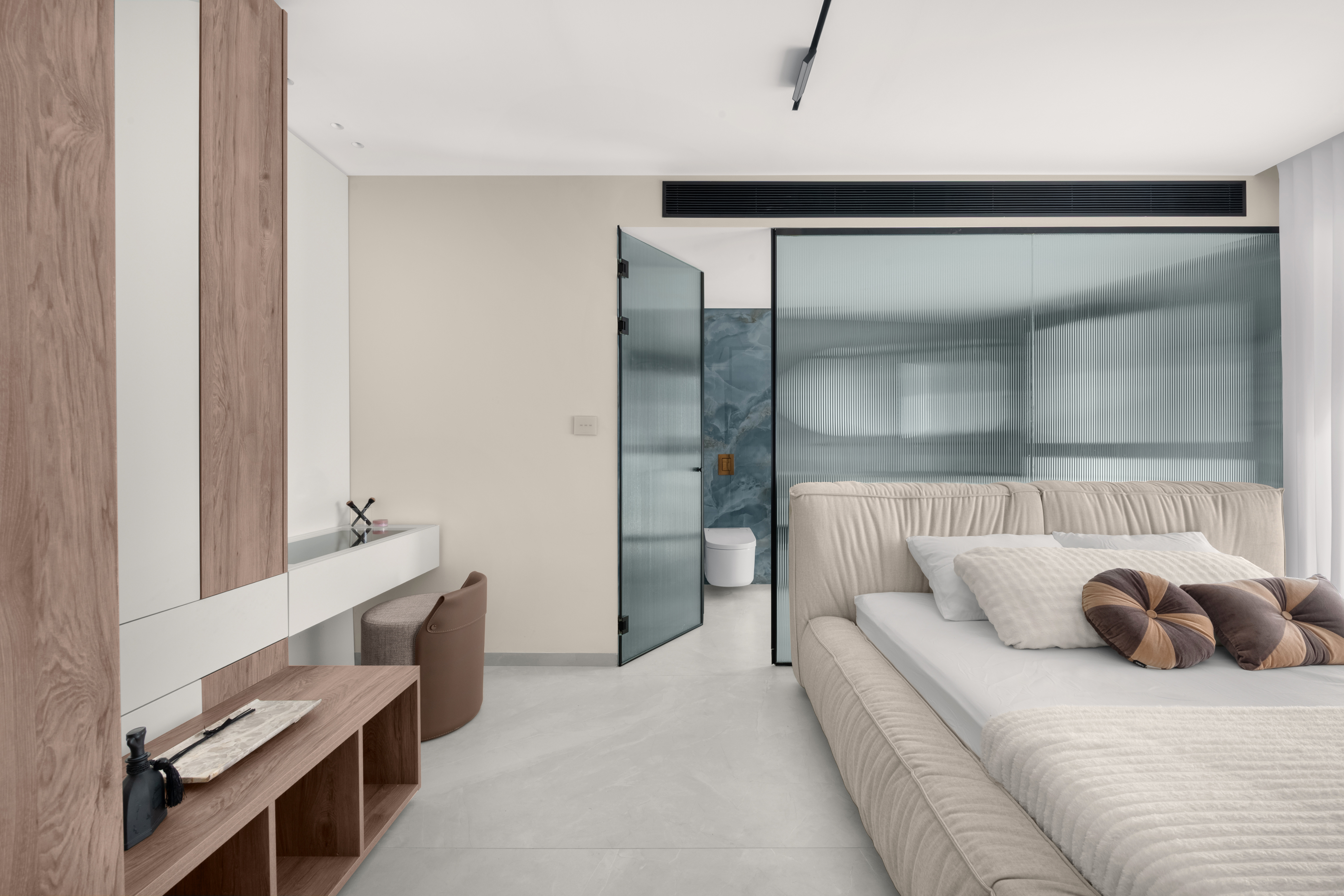
Interior Design: Asi Ben Shushan | Photography: Oded Smadar | Smart Home System: Vitrea
With Vitrea smart home systems, you can control every area of your home easily and conveniently. Create scenes tailored to your lifestyle, make everyday living more comfortable and smarter than ever, and simply let your home work for you automatically. Now is the perfect time to upgrade to a Vitrea smart home. For more information and to schedule a meeting at our showroom, leave your details here.