


The One Thing to Plan Before Lighting, Cabinetry, and Even the Kitchen
 Vitrea
When designing a new home or planning a renovation, most attention is naturally focused on layout, finishes, cabinetry, lighting, and the kitchen. However, there is one decision that should be made much earlier in the process: how your smart home system will be integrated into the project. The earlier smart home planning is considered, the easier it becomes to create a seamless living experience where technology, design, and functionality work together from day one.
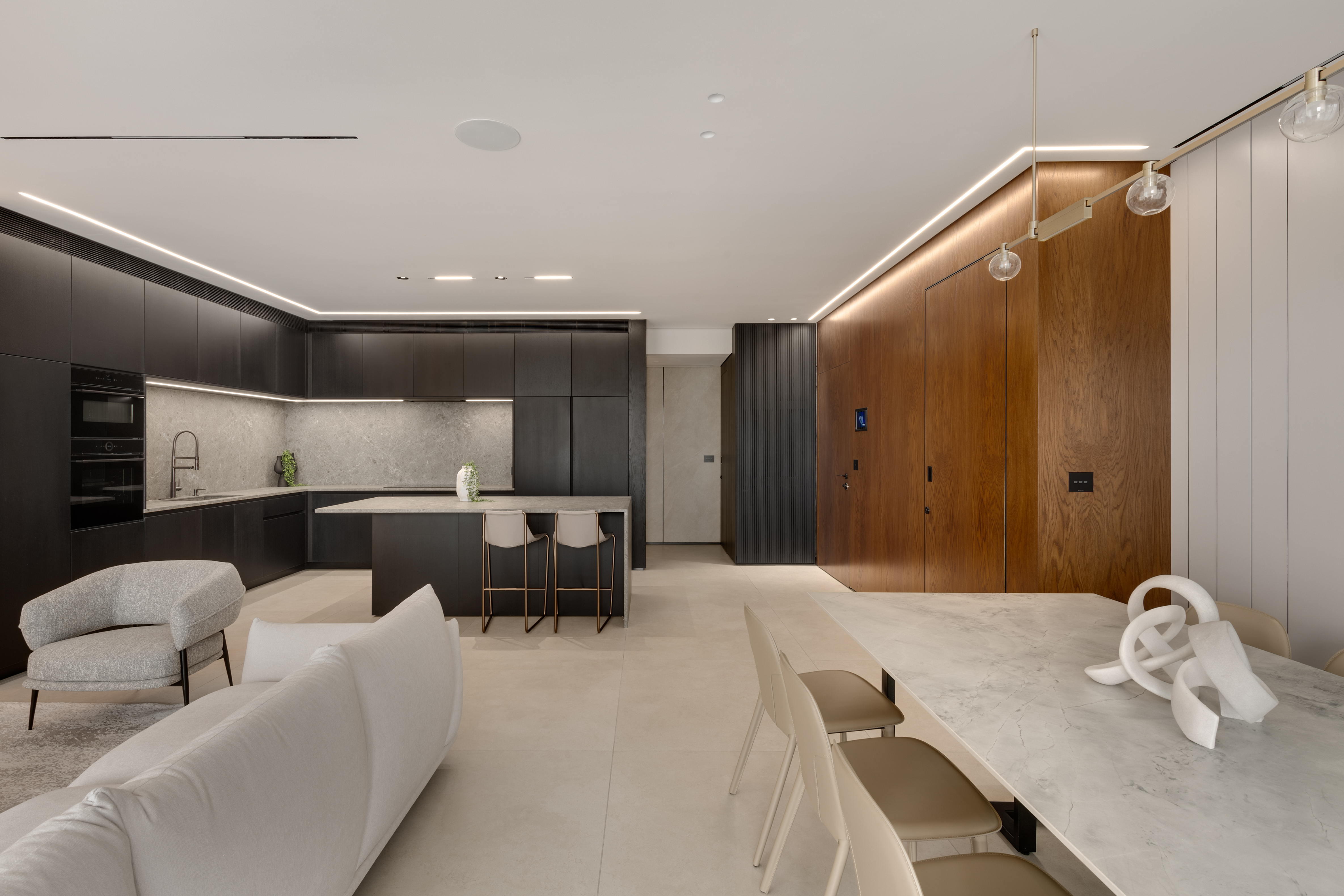
Interior Design: Yifat Mantesh | Photography: Oded Smadar | Smart Home System: Vitrea
A Smart Home Starts with Planning – Not Switches
One of the most common mistakes is treating smart home technology as a final-stage addition. In reality, a successful smart home begins long before selecting switches and control panels. It starts with understanding how the homeowners live, how they move through the space, and how different systems should interact to support their daily routines. When smart home planning becomes part of the design process from the beginning, the result is a more intuitive and personalized living experience.
Which Systems Should Be Considered Early in the Project?
A smart home is not built around a single feature. It connects multiple systems throughout the home into one cohesive ecosystem.
These systems may include:
- Lighting
- HVAC and climate control
- Shades, blinds, and curtains
- Water heater control
- Underfloor heating
When these systems are planned together from the start, they can work seamlessly through automated scenarios that simplify everyday living and enhance comfort.
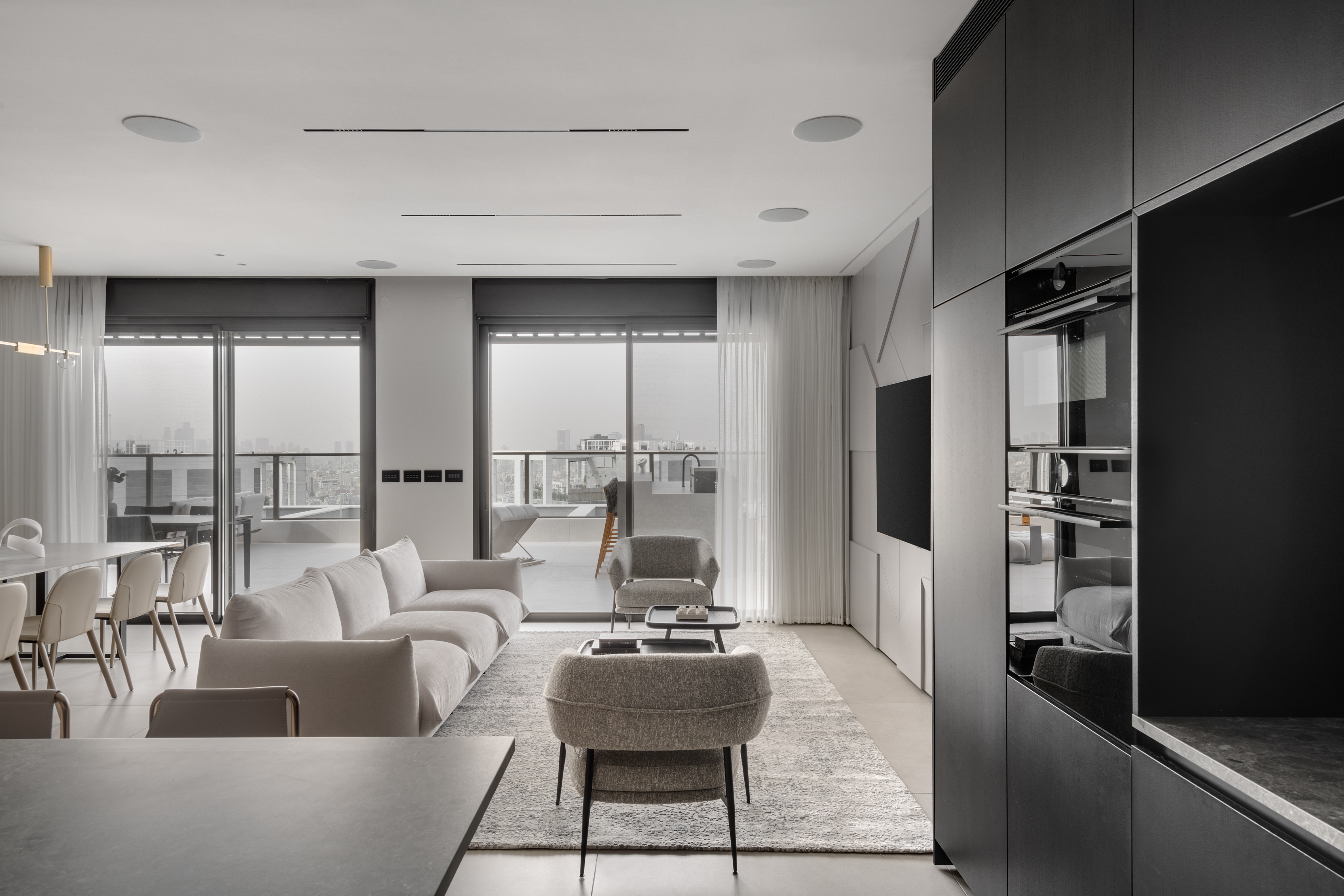
Interior Design: Yifat Mantesh | Photography: Oded Smadar | Smart Home System: Vitrea
Wired or Wireless? Every Project Requires the Right Solution
One of the first decisions in smart home planning is selecting the right infrastructure. For new construction projects, a wired system can be integrated during the infrastructure phase. For renovations or projects where minimizing construction work is a priority, a wireless solution may be the ideal choice. The key is choosing the solution that best fits the project’s requirements, timeline, and homeowner needs.
When Technology Becomes Part of the Design Language
For architects and interior designers, smart home technology is more than functionality – it is an integral part of the overall design concept. That is why it is important to select solutions that complement the project’s materials, finishes, and aesthetic vision. When properly integrated, smart home controls become a natural extension of the architecture and interior design rather than a visual interruption.
Better Planning Creates Better Results
The earlier smart home technology is incorporated into the planning process, the greater its impact on the final result. Collaboration from the earliest design stages allows architects, designers, and homeowners to create a solution that balances technology, comfort, and aesthetics – delivering a living experience that will serve the homeowners for years to come.
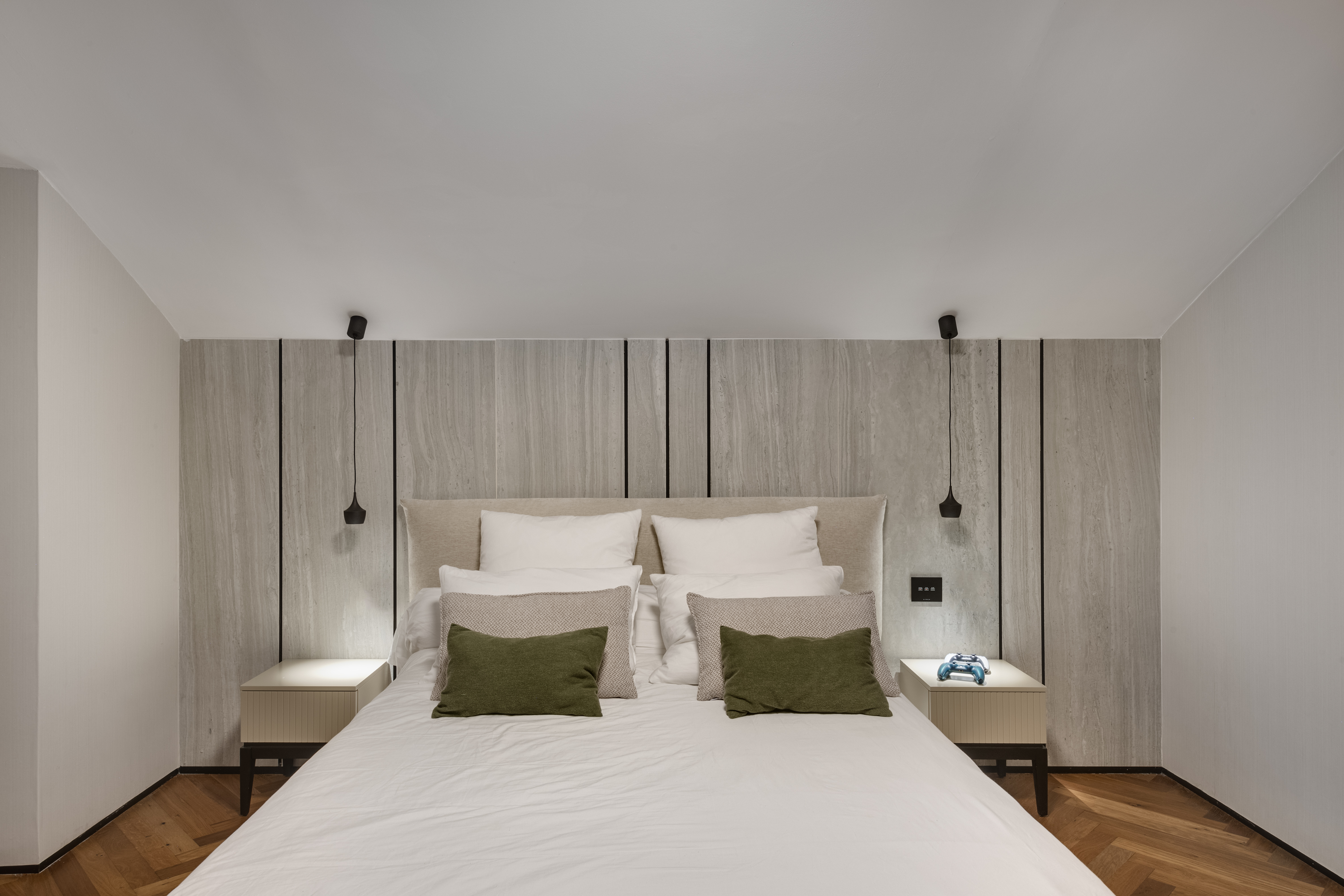 Interior Design: Yifat Mantesh | Photography: Oded Smadar | Smart Home System: Vitrea
With Vitrea’s smart home systems, you can easily control every area of your home and create personalized scenarios tailored to your lifestyle. Transform your living experience with a smarter, more intuitive home that works for you automatically. Contact us today to schedule a visit to our showroom and discover the possibilities of a Vitrea smart home.