


Behind the Scenes of a Smart Home: The Decisions You Don’t See – But Always Feel
 Vitrea
A smart home doesn’t start with a switch, a screen, or a voice command. It starts much earlier – at the stage where walls, infrastructures, and spatial flow are still being defined. Those invisible decisions – the ones that will never appear in project photography – are what ultimately determine whether a home is truly smart, or simply wrapped in technology.
In daily work with architects, interior designers, inspectors, and developers, one principle becomes clear: A well-designed smart home doesn’t feel “smart” – it simply works.
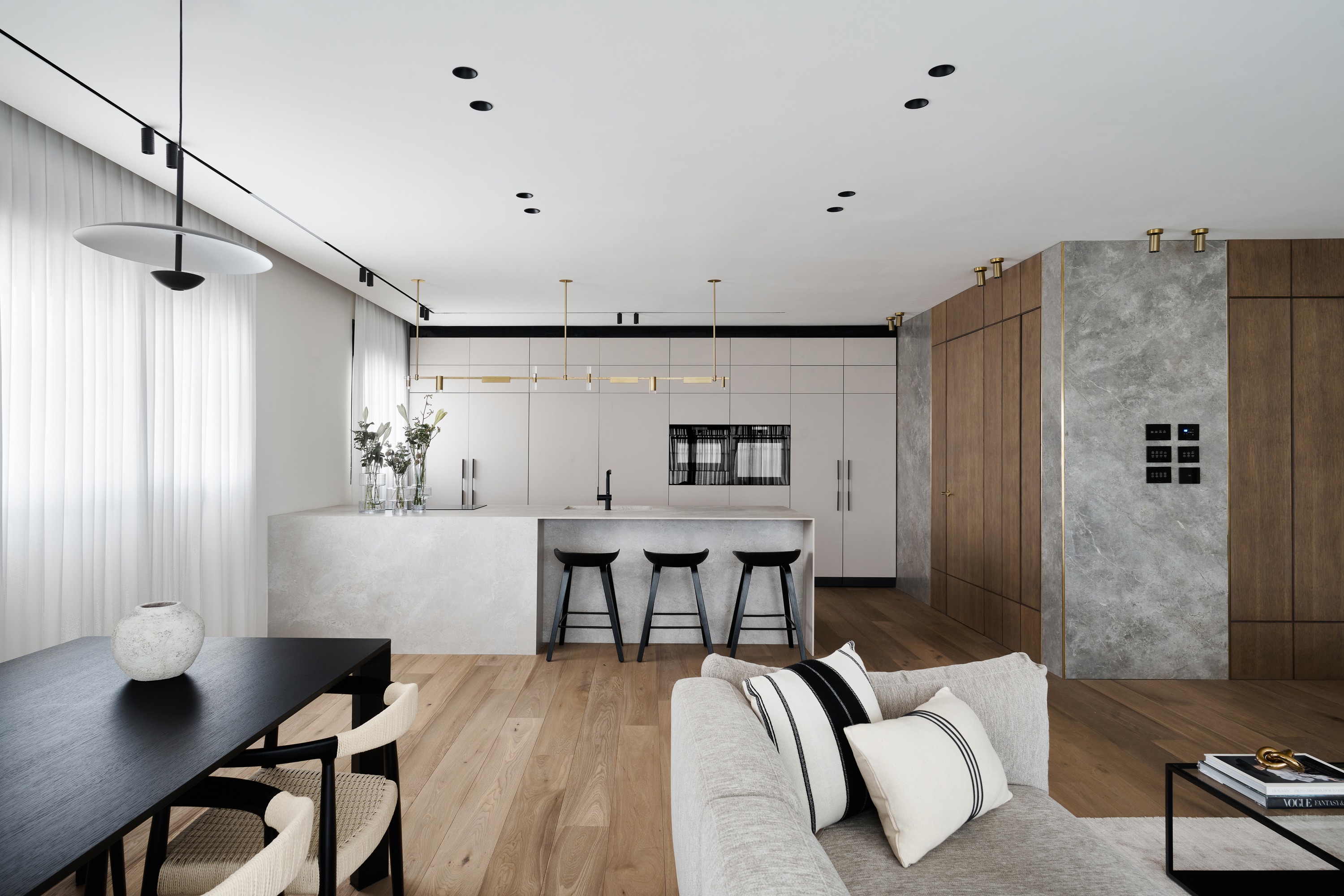 Interior Design: Nadim Kabha | Photography: Dor Kadmi | Smart Home System: Vitrea
Early Planning – When It’s Critical, and When It Allows Flexibility
In wired smart home systems, early planning is a critical condition for project success. Decisions made at the planning stage — regarding infrastructure, control points, and spatial logic – directly affect integration quality, system stability, and long-term user experience. Introducing a wired system too late in the process can limit possibilities, force design compromises, and sometimes require complex on-site work.
Wireless smart home systems, on the other hand, offer a higher level of flexibility. They can integrate with existing electrical infrastructure and, in many cases, be implemented in existing homes without major renovations or wall demolition. Even so, early conceptual planning still allows for better alignment with lifestyle patterns, spatial flow, and long-term expectations from the system.
In both cases, the distinction is not merely technological – it is architectural and strategic. The choice between wired and wireless systems shapes the planning logic, the decision-making process, and the way the smart home integrates into the project from the ground up.

Interior Design: Kfir Glatya Azulay | Photography: Itay Benit | Smart Home System: Vitrea
Wired, Wireless – and Everything in Between
The wired vs. wireless debate appears in almost every project, but in reality, it’s only a surface-level expression of a deeper question: What level of stability, scalability, and long-term control does the project require? A well-designed system is built on infrastructure that matches the nature of the project, the scope of control needed, and the ability to evolve over time. This is not just a technological choice it’s a planning decision that directly impacts reliability, maintenance, and everyday user experience.
System Integration Is Not a Luxury
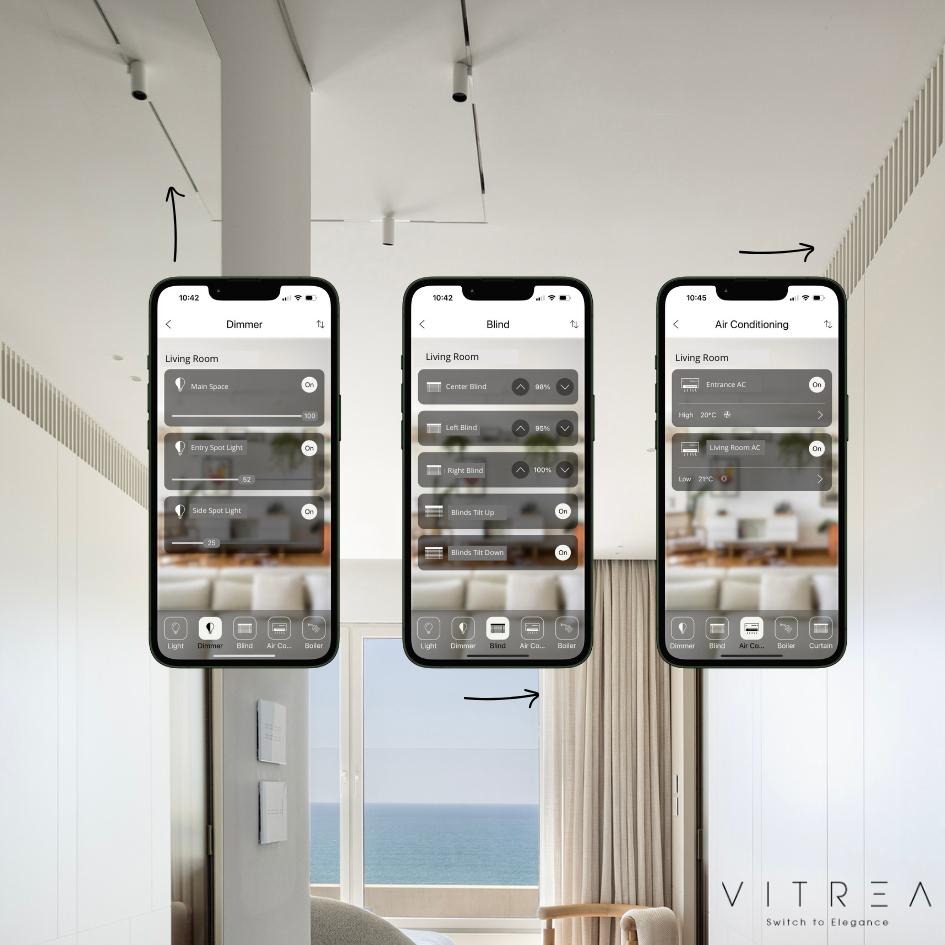
Control over lighting, climate, and shading is not meant to impress – it’s meant to simplify. When systems communicate with one another, the home begins to respond to daily habits:
temperature adapting to time of day, lighting supporting movement through space, shading responding to natural light – all without constant user intervention. The real value lies in everything happening quietly, in the background, as part of the home’s natural rhythm.
Interface Is Part of Design
Infrastructure alone is not enough. The way users interact with the system is just as critical. A clear, intuitive, and well-designed interface enables consistent daily use – without learning curves, friction, or constant adjustment. In projects where the interface is treated as part of the architectural and design language, technology doesn’t dominate the space – it integrates into it.
Long-Term Thinking
A smart home is not a seasonal product. It must continue to function as needs change, families evolve, and technologies advance. A properly planned system allows updates, adjustments, and expansion – without dismantling the home or starting from scratch. This is a mindset rooted in quality, not trends.
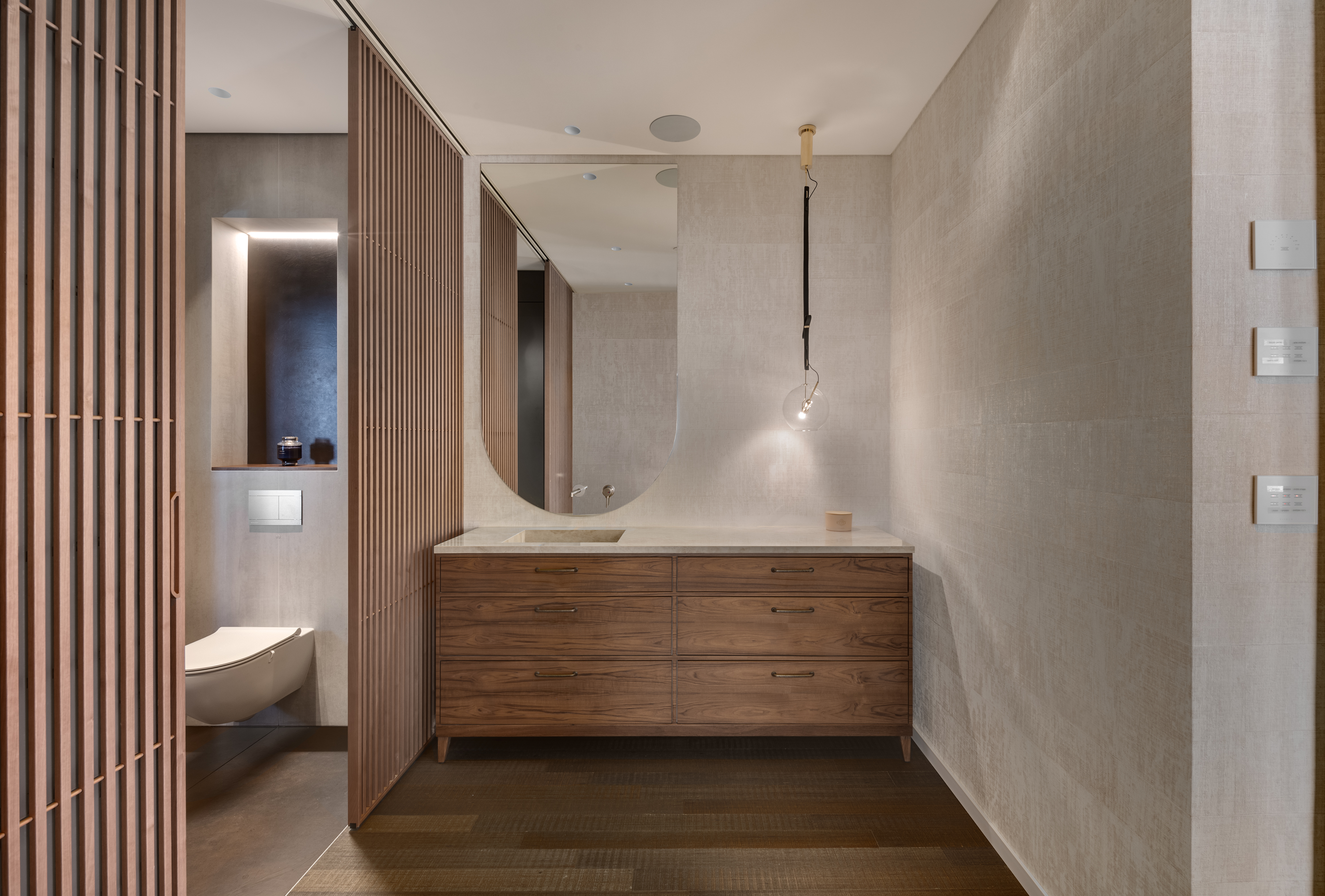
Interior Design: Nadav Shoval | Photography: Oded Smadar | Smart Home System: Vitrea
When Everything Connects
Ultimately, a truly smart home doesn’t demand attention. It serves its residents, integrates naturally into the architectural concept, and enables professionals to deliver a complete, coherent, and refined project. Behind every seamless smart living experience lies a series of quiet, thoughtful, and precise decisions – and those decisions make all the difference.
With Vitrea’s smart home systems, you can control every space in your home easily and intuitively. Create scenarios tailored to your lifestyle, transform everyday living into a smarter, more comfortable experience, and let your home work for you – automatically. Now is the time to move forward with a smart home by Vitrea. For more information and to schedule a visit to our showroom, leave your details here.